Other Articles of Interest
by Admin
Posted on 05-07-2023 03:17 PM
Dr.
 Erica jansen is a nutritional epidemiologist who focuses on diet and sleep in
relation to pediatric health. Her
research
covers how early nutritional environments
affect childhood obesity and the timing of puberty, how various aspects of sleep—duration,
timing, and quality—affect development of cardiometabolic risk, the bidirectional
associations between sleep and diet, and epigenetic markers that underlie relationships
between sleep and cardiometabolic health. Interested in public health? learn more today. Read more articles by nutritional sciences faculty, students, staff, and alumni. Support research at michigan public health. Want more news and trending topics in public health? subscribe to the population healthy
newsletter and listen to the population healthy podcast.
Erica jansen is a nutritional epidemiologist who focuses on diet and sleep in
relation to pediatric health. Her
research
covers how early nutritional environments
affect childhood obesity and the timing of puberty, how various aspects of sleep—duration,
timing, and quality—affect development of cardiometabolic risk, the bidirectional
associations between sleep and diet, and epigenetic markers that underlie relationships
between sleep and cardiometabolic health. Interested in public health? learn more today. Read more articles by nutritional sciences faculty, students, staff, and alumni. Support research at michigan public health. Want more news and trending topics in public health? subscribe to the population healthy
newsletter and listen to the population healthy podcast.
In order to better focus on the topics of interest among the myriad parameters affected by sleep, this review of the literature was designed to be nonsystematic. A search of english-language publications in the pubmed database was conducted in march and april 2016. Search terms were “caregiver and sleep”, “caregiver and drug administration”, “insomnia”, “middle insomnia”, “restless leg[s] syndrome”, “sleep and drug administration”, “sleep apnea”, “sleep continuity”, “sleep deprivation”, “sleep disorder”, “sleep disruption”, “sleep disturbance”, “sleep fragmentation”, and “sleep maintenance”. Together, these search terms generated over 60,000 hits. For each individual search, we reviewed the most recent articles to identify those that specifically discussed the consequences of disrupted sleep, rather than those of short sleep duration or other sleep problems.
Better Sleep for a Better You.
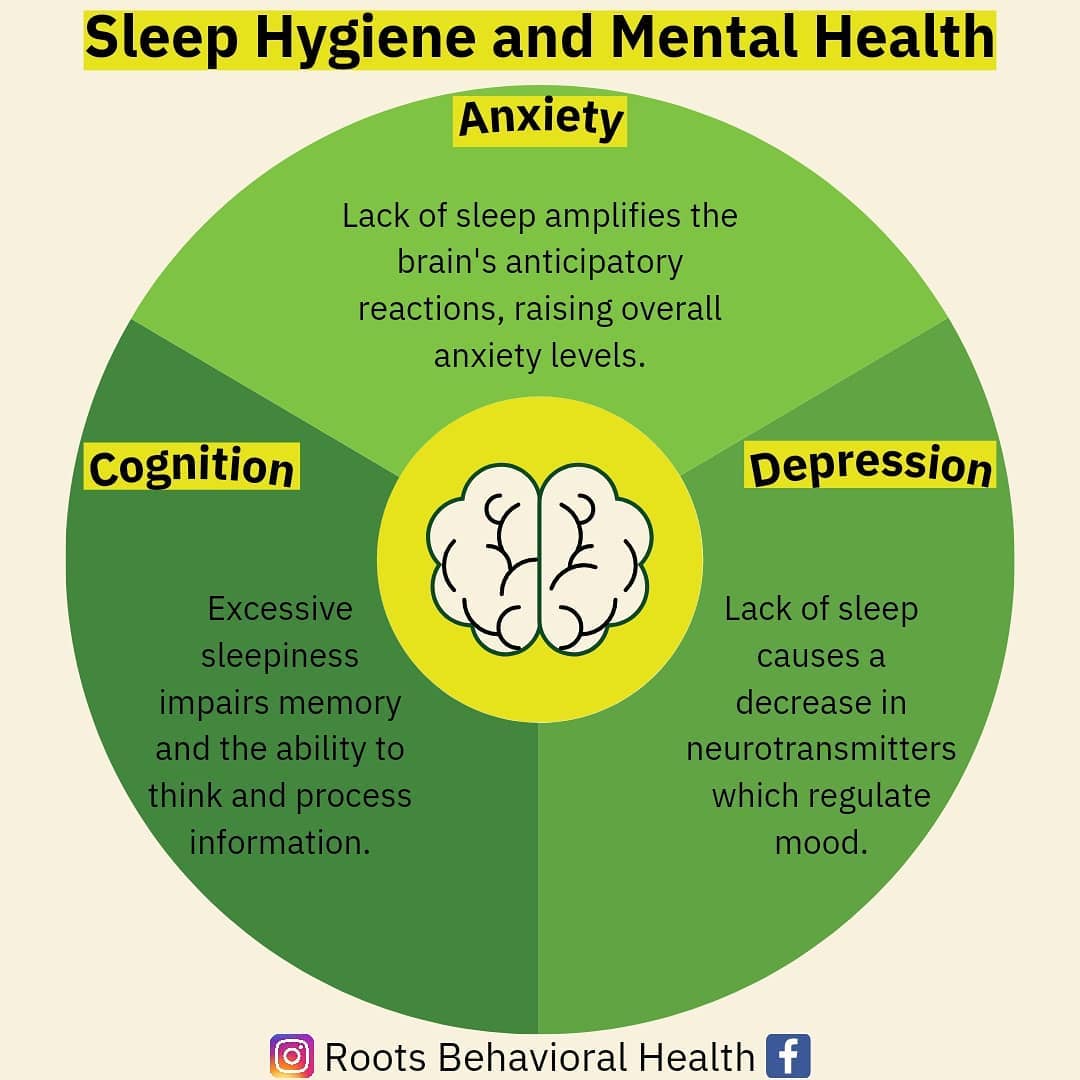
Mood after a night of too little sleep. Mood the night after too little sleep. Have you ever noticed that when you miss out on sleep you tend to be more sensitive, easily irritated, or impulsive? there’s a biological reason for that, and it has to do with two areas of the brain called the amygdala and prefrontal cortex. The amygdala is in charge of our emotional responses. But to do its job correctly it needs us to sleep, because that’s the time it’s allocated to process emotion.
Our circadian rhythms are controlled by multiple genes and are responsible for a variety of important functions, including daily fluctuations in wakefulness, body temperature, metabolism, digestion, and hunger. Circadian rhythm also controls memory consolidation (the formation of long-term memories occurs during sleep); the timing of hormone secretion (for example, the hormones controlling body growth work mostly at night); and body healing. While the circadian sleep phase typically occurs at night, there are a range of times during which the sleep phase can occur, with some people programmed to sleep from early evening to early morning (known as morning larks), while others stay up late and sleep late (known as night owls).
You might be thinking that you’re sleeping an adequate amount each night. The truth is, you could be severely under-sleeping according to the current recommended sleep duration for your age group. Newborns: 16-18 hours a day preschool-aged children: 11-12 hours a day school-aged children: at least 10 hours a day teens: 9-10 hours a day adults: 7-8 hours a day adults should sleep for 7-8 hours a night, but over 30% of americans report getting less than six hours of sleep per night. When you’re not getting enough sleep, your body accumulates a sleep debt, a sleep deficit that can add up over time and impact your well-being.
The relationship between mental illness and sleep and circadian rhythm disruption was first described in the late 19th century by the german psychiatrist emil kraepelin. Today, such disruption is reported in as many as 80% of patients with schizophrenia , and is increasingly recognised as one of the most common features of the disorder. Yet despite its prevalence in mental illness, sleep disruption has been largely ignored , dismissed as a consequence of either social isolation, lack of employment, anti-psychotic medication. However, our team has explored this assumption and showed that sleep and circadian-rhythm disruption in patients with conditions such as schizophrenia persists independently of anti-psychotic medication and that it cannot be explained on the basis of social isolation or lack of employment.